
The Southern African Development Community (SADC), in partnership with AfricaCERT and the Ministry of Telecommunications, Information Technology and Social Communication (MINTTICS) of the Republic of Angola, convened the AfricaCERT and SADC Cyber Drill and Cybercrime Cooperation 2026 in Talatona, Luanda, Angola, from 5th to 9th October 2026. The seventh SADC Cyber Drill brought together 282 delegates from SADC Member States, alongside regional information and communications technology (ICT) implementing agencies and key regional stakeholders, including the Communication Regulators’ Association of Southern Africa (CRASA), the Southern African Telecommunications Association (SATA) and the Southern African Postal Operators Association (SAPOA).
The event aimed to strengthen regional cooperation and coordination in cybersecurity and cybercrime response by enhancing Member States’ capacities to detect, manage and respond to cyber incidents. Through practical exercises, specialised training and collaborative simulations, the programme provided a platform for cybersecurity professionals and relevant institutions to test incident-response procedures, identify operational gaps, strengthen inter-agency collaboration and improve preparedness for cyber threats affecting the region. Hosting the exercise in Angola also supported the country’s efforts to strengthen its national cybersecurity capabilities and advance the development of its Computer Incident Response Team (CIRT).
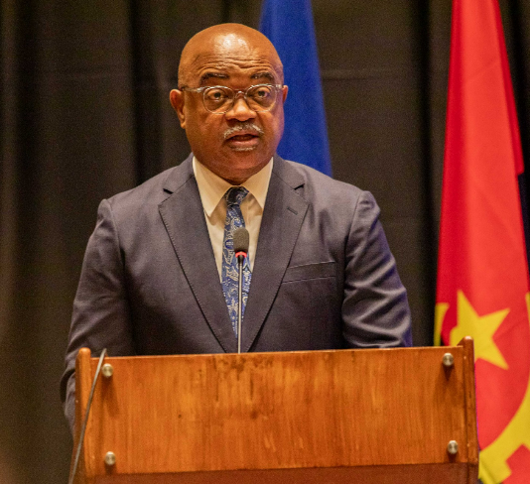
Delivering the keynote address, the Honourable Mário Augusto da Silva Oliveira, Minister of Telecommunications, Information Technologies and Social Communication of Angola, reaffirmed the Government’s commitment to advancing national and regional cybersecurity. He highlighted significant progress in Angola’s cybersecurity framework, including the approval of its National Cybersecurity Strategy, the establishment of the National Cybersecurity Council and the National Cybersecurity Centre, and the entry into force of the Cybersecurity Law.
Ms Siphokazi Novukuza, Acting Chief Director of Cybersecurity Operations in South Africa’s Department of Communications and Digital Technologies and Chairperson of the SADC Regional CIRT Task Force (SR-CIRT TF), emphasised the importance of moving beyond information sharing towards coordinated regional action. She underscored the value of cyber drills in testing incident-response mechanisms, identifying coordination gaps and building trust among cybersecurity professionals to ensure a more effective collective response when real incidents occur.
Delivering remarks on behalf of the SADC Secretariat, Dr George Ah-Thew, Senior Programme Officer for ICT, commended the Government of Angola for hosting the regional exercise and reaffirmed SADC’s commitment to strengthening cybersecurity capabilities across Member States. He emphasised that protecting the region’s cyberspace, safeguarding citizens online and securing personal and institutional data require a collective effort. He further highlighted progress in the region’s cybersecurity readiness, noting that the number of operational CIRTs had increased from four in 2018 to thirteen in 2026. Dr Ah-Thew called on Member States to strengthen national cybersecurity institutions and incident response capabilities, accelerate the domestication of the revised SADC Model Laws and implementation of the SADC Model Data Strategy and Action Plan, and expand cybersecurity awareness initiatives, including those targeting older persons.
The technical programme featured specialised cybersecurity training and practical exercises focusing on Operational Technology and Industrial Control Systems (OT/ICS) and Critical Information Infrastructure (CII), particularly in the energy, water, mining, oil, health and finance sectors. Using AfricaCERT’s SHIELD cyber drill platform, participants strengthened their practical incident response skills and explored approaches to protecting critical infrastructure and maintaining essential services during cyber incidents.
A key highlight was the SADC Cybercrime Cooperation Exercise, which used a tabletop exercise (TTX) scenario involving the energy, water, health and finance sectors. The exercise culminated in a simulated court hearing of a cybersecurity-related criminal case, providing participants with an opportunity to examine cooperation and coordination across the cybersecurity and criminal justice processes. The simulation represented a pioneering initiative for SADC, providing a practical platform for strengthening regional understanding of cybercrime investigation, evidence handling and judicial proceedings.
The event also advanced youth participation and skills development through the SADC Youth Cybersecurity Hackathon, NextGenInCyber 2026 Capture the Flag (CTF) competition. The initiative underscored the importance of nurturing regional cybersecurity talent, promoting innovation and equipping young people with practical skills to contribute to a secure and resilient digital environment.
Overall, the AfricaCERT and SADC Cyber Drill and Cybercrime Cooperation 2026 reinforced the importance of regional collaboration in addressing evolving cyber threats. The practical exercises, strengthened professional networks and focus on cybercrime cooperation contributed to advancing Member States’ preparedness and supporting SADC’s broader efforts to promote a secure, trusted and resilient digital environment across the region.


